From UPI.com Health News
CAMPOBASSO, Italy, Sept. 23 (UPI) -- A large epidemiological study found new beneficial effects of chocolate in the prevention of cardiovascular disease, Italian researchers said.
The study, published in the Journal of Nutrition, found 6.7 grams -- about 1/4 of an ounce -- of chocolate per day is the ideal amount for a protective effect against inflammation -- a risk factor for cardiovascular disease.
Researchers at the Research Laboratories of the Catholic University in Campobasso, Italy, in collaboration with the National Cancer Institute of Milan enrolled 20,000 inhabitants of the Molise region for the study.
People having moderate amounts of dark chocolate regularly have significantly lower levels of C-reactive protein in their blood -- a biomarker for inflammation.
"The 17 percent average reduction observed may appear quite small but it is enough to decrease the risk of cardiovascular disease for one-third in women and one-fourth in men. It is undoubtedly a remarkable outcome," lead author Romina di Giuseppe said in a statement.
The best effect is obtained by consuming an average amount of 6.7 grams of chocolate per day, corresponding to a small square of chocolate twice or three times a week but beyond these amounts the beneficial effect tends to disappear."
Saturday, October 11, 2008
6.7 grams of dark chocolate cut heart risk

Soy has staying power as healthy option
By Sarah Hills
Latest news headlines
23-Sep-2008 -
Consumers in the US are increasingly turning to soy as a healthy choice as they constantly change their eating habits to improve nutrition, according to a study from the United Soybean Board.
Soy is popular for its potential health benefits and versatility and 85 percent of consumers view soy as healthy, the survey showed. This is an increase of 26 percentage points compared to 1997.
The 2008 Consumer Attitudes about Nutrition survey, which is the 15th annual research study sponsored by the USB, also shows that a growing number of consumers specifically seek out soy foods to aid in weight management and promote heart health as well as to reduce the risk of some cancers.
Meanwhile food companies are taking note. According to the Mintel Global New Products Database, between 2000 and 2007 more than 2,700 new foods with soy as an ingredient were introduced in the US. This includes 161 new products last year alone.
The USB report describes soy as “a promising long-term phenomenon” and states: “Turning to soy protein, the ongoing trend toward healthy, versatile foods and an increase in offerings at mainstream grocery stores has promoted the increase of trial and awareness of soy foods and beverages.
“In 1997, 18 percent of consumers surveyed had tried soymilk. Today, this number has more than doubled to 40 percent, and consumption of other soy foods such as edamame and tofu are also on the rise.”
Consumers also continue to recognize soybean oil, commonly labeled as vegetable oil, as one of the healthiest cooking oils. It is relatively low in saturated fat, contains no cholesterol and zero grams of trans fat, which have been linked to health risks as diverse as cardiovascular disease and prostate cancer.
Click here to continue reading article at Nutra Ingredients USA
Friday, October 3, 2008
6.7 grams of dark chocolate cut heart risk
From UPI.com Health News
CAMPOBASSO, Italy, Sept. 23 (UPI) -- A large epidemiological study found new beneficial effects of chocolate in the prevention of cardiovascular disease, Italian researchers said.
The study, published in the Journal of Nutrition, found 6.7 grams -- about 1/4 of an ounce -- of chocolate per day is the ideal amount for a protective effect against inflammation -- a risk factor for cardiovascular disease.
Researchers at the Research Laboratories of the Catholic University in Campobasso, Italy, in collaboration with the National Cancer Institute of Milan enrolled 20,000 inhabitants of the Molise region for the study.
People having moderate amounts of dark chocolate regularly have significantly lower levels of C-reactive protein in their blood -- a biomarker for inflammation.
"The 17 percent average reduction observed may appear quite small but it is enough to decrease the risk of cardiovascular disease for one-third in women and one-fourth in men. It is undoubtedly a remarkable outcome," lead author Romina di Giuseppe said in a statement.
The best effect is obtained by consuming an average amount of 6.7 grams of chocolate per day, corresponding to a small square of chocolate twice or three times a week but beyond these amounts the beneficial effect tends to disappear."
Thursday, October 2, 2008
Gardasil is Dangerous As Well As Unproven
By Dr. Mercola
Merck's Gardasil vaccine is supposed to prevent young women from getting cervical cancer. Now the FDA has approved a claim for two less common cancers as well. But whether it will actually prevent any kind of cancer is unknown.
As of July, the federal government's Vaccine Adverse Events Reporting System has received over 9,700 reports of problems since the vaccine's introduction in 2006. These include paralysis, seizures, and miscarriage. Twenty deaths have been reported, although the government has not acknowledged a link yet.
Vaccines were originally developed to protect the public from extremely contagious diseases. Now dangerous and unproven vaccines are being mandated in the hope they will guard against diseases that require very intimate contact to transmit. Where will it end?
Sources:
Health Freedom Foundation
Wednesday, October 1, 2008
What the Chemical Industry Doesn't Want You to Know about Everyday Products
By Dr. Mercola
The global chemical industry annually produces about 6 billion pounds of bisphenol A (BPA), an integral component of a vast array of plastic products, generating at least $6 billion in annual sales. The value of BPA-based manufactured goods is probably incalculable. Environmental Working Group studies have found BPA in more than half the canned foods and beverages sampled from supermarkets across the U.S.
Soon after scientists Frederick Vom Saal and Wade Welshons found the first hard evidence that miniscule amounts of BPA caused irreversible changes in the prostates of fetal mice, a scientist from Dow Chemical Company showed up at the Missouri lab. He disputed the data and declared, as Vom Saal recalls, "We want you to know how distressed we are by your research."
"It was not a subtle threat," Vom Saal says. "It was really, really clear, and we ended up saying, threatening us is really not a good idea."
The Missouri scientists redoubled their investigations of BPA. Industry officials and scientist allies fired back, sometimes in nose-to-nose debates at scientific gatherings, sometimes more insidiously. "I heard [chemical industry officials] were making blatantly false statements about our research," says Welshons. "They were skilled at creating doubt when none existed."
The industry's increasingly noisy denials backfired. By the turn of the millennium, dozens of scientists were launching their own investigations of the chemical. But the chemical industry can expected to fight aggressively against more regulation. Earlier this year, the industry spent hundreds of thousands of dollars to defeat a California legislative proposal to ban BPA in food packaging. The Chemistry Council and allied companies and industry groups hired an army of lobbyists. Tactics included an industry email to food banks charging that a BPA ban would mean the end of distributions of canned goods for the poor.
Sources:
AlterNet September 15, 2008
Tuesday, September 23, 2008
Chamomile Tea May Ward Off Diabetes Damage
MSN Health & Fitness News
Rats fed herbal extract showed significant decrease in blood sugar levels-- Kevin McKeever
FRIDAY, Sept. 19 (HealthDay News) -- Daily drinks of chamomile tea with meals may help prevent the complications of diabetes, report researchers in Japan and the United Kingdom.
The findings, published in the Sept. 10 issue of the Journal of Agricultural and Food Chemistry, are based on feeding chamomile extract to a group of diabetic rats for 21 days. Those on the chamomile supplement experience a significant decrease in blood glucose levels. The extract also appears to inhibit ALR2 enzymes and sorbitol, whose elevated levels are associated with increased diabetic complications.
Complications for diabetes include loss of vision, nerve damage and kidney damage.
The researchers said they hoped their work leads to the development of a new chamomile-based drug for type 2 diabetes.
More information
The American Diabetes Association has more about diabetes.
SOURCE: Journal of Agricultural and Food Chemistry, news release, Sept. 10, 2008
St. John's Wort: An Ancient Medicinal Plant
 By Sonja Flesch-Reiss
Epoch Times Staff
Beware: Natural Substance Knock-Offs in FDA Pipeline are Dangerous
Some of the natural substances taken through the FDA approval process don't appear to be dangerous. Omacor, the FDA approved fish oil, is only a problem because it is so expensive compared to regular fish oil -- although taxpayers bear the brunt of this price difference, because Medicare won't reimburse any other fish oil.
However, there are other natural substances coming through the FDA approval process that are even more troubling. Pipex Therapeutics is seeking approval for Trimesta, a knock-off of natural estriol -- a substance that the FDA has just effectively banned.
But Trimesta may not be a safe version of natural estriol. Trimesta is a taken by mouth, which is known to be a greater risk factor for endometrial cancer than taking the hormones transdermally (through the skin).
And the FDA has already approved Prestara, another drug company version of a natural hormone, in this case DHEA. Prestara is taken at an oral dose of 200 mg daily, which is much too high for women; even doses of 50 mg in women may cause facial hair and other undesirable side effects.
Meanwhile, there are now bills in Congress calling for a ban DHEA. Supposedly the concern is about athletes’ use of synthetic steroids. But contrary to false claims, no one can make synthetic steroids out of DHEA. The real reason to ban natural DHEA is to knock out the competition for expensive knock-off drugs.
Click here for article source
Dietary Linoleic Acid May Help Prevent Hypertension
NEW YORK (Reuters Health) Sept 05 - The results of a study published in the August issue of Hypertension suggest that there is an inverse relationship between dietary linoleic acid and blood pressure. This relationship is appears stronger in patients who are not receiving a dietary or medical intervention.
"Findings from observational and interventional studies on the relationship of dietary linoleic acid, the main dietary polyunsaturated fatty acid, with blood pressure have been inconsistent," Dr. Katsuyuki Miura, of Shiga University of Medical Science, Japan, and colleagues write.
Dr. Miura's group used data from the International Study of Macro-Micronutrients and Blood Pressure to examine the association between dietary linoleic acid and blood pressure in 4680 men and women between the ages of 40 and 59 years from 17 population samples in China, Japan, United Kingdom, and United States.
Data on nutrient intake were obtained from four in-depth 24-hour dietary recalls per person and two timed 24-hour urine collections per person. Systolic and diastolic blood pressures were measured eight times at four visits.
Click here to continue reading article at Medscape TodayBenefit of Wheatgrass - Why People are so Crazy over Wheatgrass Despite its Nasty Taste
By Ruth Tan
What is the Benefit of Wheatgrass?
Wheatgrass is a plant grown from the Red Wheatberry that is moving to the top of the nutritional tree. It's an incredible health elixir. Some people call wheatgrass juice "beer before it's beer"; technically, it is young wheat, but non-alcoholic. Commercials describe the benefit of wheatgrass very vividly - "a shot glass of chlorophyll-laden wheat grass juice is like drinking one day's worth of sunshine".
In recent years, wheatgrass juice has become one of the more popular health beverages and can be found at virtually any fresh juice shop and health store in where I live. Sales of wheatgrass products are booming worldwide. However, a glass of chlorophyll is not easy to go down, many people cringe at the thought of consuming one ounce of this "miracle food" because of its raw pungent taste. Nowadays, it's common to find honey, and lemon, being added to wheatgrass juice to make it more palatable. And the latest concoction I found at the shops was wheatgrass juice with apple juice, which really tasted fantastic!
Now, let's look at each of the benefit of wheatgrass and understand why it's so popularly consumed despite its nasty taste.
A Powerhouse of Nutrients and Vitamins: Nourishes and Strengths the Body
In the form of fresh juice, wheatgrass contains 70% of chlorophyll with high concentrations of vitamins A, B, C, D, E, and K, a huge spectrum of minerals such as calcium and magnesium, phosphorus, potassium, sodium, sulfur, cobalt, zinc, and protein, and other nutrients needed for our health and well-being. It properties are important for cardiovascular and immune system function, strengthening heart and arterial tissue, lowering blood fat, and useful in the treatment of degenerative disease and reducing inflammation. Each teaspoon of wheatgrass juice has only about 10-15 calories per and no fat or cholesterol. A benefit of wheatgrass is that it provides a remarkable whop of energy. A 1-oz shot glass of it's juice is equivalent in food-vitamin value to two and a half pounds of leafy green vegetables! On an empty stomach, it is assimilated into the blood in just 20 minutes! Humans can't eat wheatgrass directly as the strong cellulose is too woody and fibrous for the long and complex intestines in humans. Grass-eating animals like cows and horses, goats have short intestines.
Click here to continue reading article at Natural Cures & Remedies
Soy has staying power as healthy option
By Sarah Hills
Latest news headlines
23-Sep-2008 -
Consumers in the US are increasingly turning to soy as a healthy choice as they constantly change their eating habits to improve nutrition, according to a study from the United Soybean Board.
Soy is popular for its potential health benefits and versatility and 85 percent of consumers view soy as healthy, the survey showed. This is an increase of 26 percentage points compared to 1997.
The 2008 Consumer Attitudes about Nutrition survey, which is the 15th annual research study sponsored by the USB, also shows that a growing number of consumers specifically seek out soy foods to aid in weight management and promote heart health as well as to reduce the risk of some cancers.
Meanwhile food companies are taking note. According to the Mintel Global New Products Database, between 2000 and 2007 more than 2,700 new foods with soy as an ingredient were introduced in the US. This includes 161 new products last year alone.
The USB report describes soy as “a promising long-term phenomenon” and states: “Turning to soy protein, the ongoing trend toward healthy, versatile foods and an increase in offerings at mainstream grocery stores has promoted the increase of trial and awareness of soy foods and beverages.
“In 1997, 18 percent of consumers surveyed had tried soymilk. Today, this number has more than doubled to 40 percent, and consumption of other soy foods such as edamame and tofu are also on the rise.”
Consumers also continue to recognize soybean oil, commonly labeled as vegetable oil, as one of the healthiest cooking oils. It is relatively low in saturated fat, contains no cholesterol and zero grams of trans fat, which have been linked to health risks as diverse as cardiovascular disease and prostate cancer.
Click here to continue reading article at Nutra Ingredients USA
Monday, September 22, 2008
Acupuncture Reduces Painful Side Effects of Breast Cancer Treatments
Ancient Therapy Challenges Benefits of Modern Medicine
By JOHN MCKENZIE
Sept. 22, 2008
A new medical study finds that acupuncture, an ancient form of healing that has been around for thousands of years, is as good as, or better than modern medicine in helping ease the side effects of breast cancer treatment.
The findings, which were presented today at the American Society for Therapeutic Radiology and Oncology's annual meeting in Boston, suggest that this ancient therapy can give cancer patients a wide range of benefits above modern medicine.
Cancer treatments, like chemotherapy, which kills breast cancer cells, can wreak havoc on a woman's body, throwing many into menopause with severe symptoms.
"I got about two hot flashes an hour," said Susan Azar, 43, a breast cancer survivor. "Very intense ones where you would break out in a sweat."
The "conventional" remedy for Azar's chemotherapy-induced hot flashes is a daily anti-depressant. But these pills can produce side effects of their own, including dizziness, nausea and constipation.
In an effort to find a way to alleviate some of chemotherapy's symptoms, Azar enrolled in a clinical trial to receive acupuncture once or twice a week, for 30- to 45-minute sessions.
"Two to three weeks into the study, you start to notice the hot flashes, the intensity and the frequency would decline," Azar said.
Acupuncture, an ancient Chinese therapy, practiced for thousands of years, uses very thin needles to reduce pressure at specific points. Most patients do not feel any pain from the needles.
Click here to continue reading article at ABC Health News
Friday, September 19, 2008
Chamomile Tea May Ward Off Diabetes Damage
Rats fed herbal extract showed significant decrease in blood sugar levels
-- Kevin McKeever
FRIDAY, Sept. 19 (HealthDay News) -- Daily drinks of chamomile tea with meals may help prevent the complications of diabetes, report researchers in Japan and the United Kingdom.
The findings, published in the Sept. 10 issue of the Journal of Agricultural and Food Chemistry, are based on feeding chamomile extract to a group of diabetic rats for 21 days. Those on the chamomile supplement experience a significant decrease in blood glucose levels. The extract also appears to inhibit ALR2 enzymes and sorbitol, whose elevated levels are associated with increased diabetic complications.
Complications for diabetes include loss of vision, nerve damage and kidney damage.
The researchers said they hoped their work leads to the development of a new chamomile-based drug for type 2 diabetes.
More information
The American Diabetes Association has more about diabetes.
SOURCE: Journal of Agricultural and Food Chemistry, news release, Sept. 10, 2008
In Pain? Take One Masterpiece, Three Times a Day
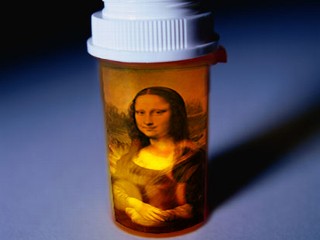 Hospitals Should Pay Attention to Aesthetics, Scientists Say
Sept. 19, 2008
THE power of art to heal emotional wounds is well known, but could contemplating a beautiful painting have the same effect on physical pain?
To investigate, Marina de Tommaso and a team from the University of Bari in Italy asked 12 men and women to pick the 20 paintings they considered most ugly and most beautiful from a selection of 300 works by artists such as da Vinci and Botticelli.
They were then asked to contemplate either the beautiful paintings, or the ugly painting, or a blank panel while the team zapped a short laser pulse at their hand, creating a pricking sensation.
The subjects rated the pain as being a third less intense while they were viewing the beautiful paintings, compared with contemplating the ugly paintings or the blank panel. Electrodes measuring the brain's electrical activity suggested a reduced response to the pain when the subject looked at beautiful paintings
While distractions are known to reduce pain in hospital patients, de Tommaso says this is the first result to show that beauty plays a part. "Hospitals have been designed to be functional, but we think that their aesthetic aspects should be taken into account too," she says.
Monday, September 8, 2008
Top 10 Vegetarian-Friendly Ballparks
Internet Travel Monitor - Industry News
August 27, 2008
NEW YORK, NY –
1. Citizens Bank Park (Philadelphia Phillies)
2. AT&T Park (San Francisco Giants)
3. Safeco Field (Seattle Mariners)
4. PETCO Park (San Diego Padres)
5. U.S. Cellular Field (Chicago White Sox)
6. Busch Stadium (St. Louis Cardinals)
7. Comerica Park (Detroit Tigers)
8. Coors Field (Colorado Rockies)
9. Turner Field (Atlanta Braves)
10. (tie) Tropicana Field (Tampa Bay Rays)
(tie) Chase Field (Arizona Diamondbacks)
Source: PETA
Sunday, September 7, 2008
Organic Produce Will Soon Be Cheaper Than Conventional Produce
By Dr. Mercola
A study suggests that the rising price of oil could soon make cereal crops grown with chemical fertilizers more expensive than those produced more naturally.
Industrial farming relies on fertilizers made from fossil fuels. These fertilizes are used to replace nutrients in the soil. Organic farming, however, improves soil fertility through crop rotations, and is therefore less affected by oil prices.
With oil predicted to reach $200 a barrel within five to 10 years, the profit margin on organic wheat, barley and oil seed rape could soon be significantly higher than for the same crops produced by non-organic methods.
Sources:
Daily Telegraph September 2, 2008
These treehouses for grownups offer a unique way to get back to nature
 By JOHN LEE
SPECIAL TO THE P-I
Nature-loving travelers searching for an idyllic woodland retreat are flocking to an unusual British Columbia sleepover that offers a rustic, squirrel's-eye view of the world.
Suspended several yards above the fern-lined forest floor by sturdy, tree-attached guide ropes, Vancouver Island's Free Spirit Spheres resemble shiny wooden Christmas baubles -- or giant sci-fi movie eyeballs -- nestled among the foliage.
But these two sibling treehouses are not just for the birds. Their exteriors are hand-built from yellow cedar or Sitka spruce encased in clear, waterproof fiberglass, while their interiors recall the homey aesthetics of a cozy Hobbit house.
Each has an ingenious, wood-lined living space filled with cabin conveniences such as comfy beds, surround-sound systems and porthole windows overlooking strapping maple and cedar trees.
Created by Tom Chudleigh -- his workshop is on the bucolic 5-acre property -- each sphere is accessed via a spiral staircase. Eve, the smaller of the two with a diameter of 9 feet, attracts singles or couples who don't mind bumping into each other. Its built-in bed, table and seating are functional and comfortable and twin portholes survey the surrounding branches, sun-dappled pond and two wandering geese.
Click here to continue reading article and see more pictures at Seattle PI.com
Fish oil appears to help against heart failure
By MARIA CHENG, AP Medical Writer
Sun Aug 31, 2008 11:47 AM ET
MUNICH, Germany - Fish oil supplements may work slightly better than a popular cholesterol-reducing drug to help patients with chronic heart failure, according to new research released Sunday.
Chronic heart failure is a condition that occurs when the heart becomes enlarged and cannot pump blood efficiently around the body.
With few effective options for heart failure patients, the findings could give patients a potential new treatment and could change the dietary recommendations for them, said Dr. Jose Gonzalez Juanatey, a spokesman for the European Society of Cardiology, who was not connected to the research.
"This reinforces the idea that treating patients with heart failure takes more than just drugs," Juanatey said.
The study findings were published online in the medical journal The Lancet on Sunday. They were simultaneously announced at a meeting of the European Society of Cardiology in Munich.
Click here to continue reading article at Yahoo News
Tuesday, September 2, 2008
The 10 Best Foods You Aren't Eating
Want To Do Your Body a World of Good? It's as Easy as Expanding Your Grocery List.
By JONNY BOWDEN, Ph.D.
July 9, 2008
Although some guys aren't opposed to smoking some weed, most wouldn't think of eating one. It's a shame, really, since a succulent weed named purslane is not only delicious but also among the world's healthiest foods.
Of course, there are many superfoods that never see the inside of a shopping cart. Some you've never heard of, and others you've simply forgotten about. That's why we've rounded up the best of the bunch. Make a place for them on your table and you'll instantly upgrade your health -- without a prescription.
Beets
These grungy-looking roots are naturally sweeter than any other vegetable, which means they pack tons of flavor under-neath their rugged exterior.
Why they're healthy: Think of beets as red spinach. Just like Popeye's powerfood, this crimson vegetable is one of the best sources of both folate and betaine. These two nutrients work together to lower your blood levels of homocysteine, an inflammatory compound that can damage your arteries and increase your risk of heart disease. Plus, the natural pigments -- called betacyanins -- that give beets their color have been proved to be potent cancer fighters in laboratory mice.
How to eat them: Fresh and raw, not from a jar. Heating beets actually decreases their antioxidant power. For a simple single-serving salad, wash and peel one beet, and then grate it on the widest blade of a box grater. Toss with 1 tablespoon of olive oil and the juice of half a lemon.
You can eat the leaves and stems, which are also packed with vitamins, minerals, and antioxidants. Simply cut off the stems just below the point where the leaves start, and wash thoroughly. They're now ready to be used in a salad. Or, for a side dish, sauté the leaves, along with a minced clove of garlic and a tablespoon of olive oil, in a sauté pan over medium-high heat. Cook until the leaves are wilted and the stems are tender. Season with salt and pepper and a squeeze of lemon juice, and sprinkle with fresh Parmesan cheese.
Click here to continue reading article at ABC Health News
Friday, August 29, 2008
Olive leaf extract may lower cholesterol
ZURICH, Switzerland, Aug. 27 (UPI) -- Taking 1,000 mg of a specific olive leaf extract can lower cholesterol and lower blood pressure, Swiss and German researchers said.
Cem Aydogan of Frutarom Health said that the findings came from a "twins' trial," in which different treatments were given to identical twins.
The researchers conducted a pilot trial with 20 identical twin pairs who had an increased blood pressure, or mild hypertension. Individuals were either given placebo capsules or capsules containing doses of 500 mg or 1,000 mg of olive leaf extract EFLA 943. Pairs of twins were assigned to different treatments. After the subjects had taken the extract for eight weeks researchers measured blood pressures as well as collecting data about aspects of lifestyle.
"The study confirmed that olive leaf extract EFLA 943 has anti-hypertensive properties in humans," Aydogan said in a statement. "This works showed that taking a 1000 mg dose has substantial effects in people with borderline hypertension."
The research is published in the latest edition of Phytotherapy Research.
Wednesday, August 27, 2008
A New Biopesticide For The Organic Food Boom
ScienceDaily (Aug. 25, 2008) — With the boom in consumption of organic foods creating a pressing need for natural insecticides and herbicides that can be used on crops certified as "organic," biopesticide pioneer Pam G. Marrone, Ph.D., is reporting development of a new "green" pesticide obtained from an extract of the giant knotweed in a report scheduled for presentation here today at the 236th national meeting of the American Chemical Society.
That 12-foot-high Goliath, named for the jointed swollen nodes on its stem, invaded the U.S. from Japan years ago and grows along the East Coast and other areas. "The product is safe to humans, animals, and the environment," says Marrone, founder and CEO of Marrone Organic Innovations Inc., in Davis, Calif.
The new biopesticide has active compounds that alert plant defenses to combat a range of diseases, including powdery mildew, gray mold and bacterial blight that affect fruits, vegetables, and ornamentals. The product will be available this October for conventional growers, according to Marja Koivunen, Ph.D., director of research and development for Marrone Organic Innovations. A new formulation has also been developed for organic farmers and will be available in 2009.
Click here to continue reading article at Science Daily.comAussies turning in droves to alternative therapies
Sydney, July 24 (ANI): The number of people visiting complementary health professionals in Australia has increased by 50 per cent in the last decade.
Most had consultations for arthritis (20 per cent), asthma (14 per cent) and mental or behavioural disorders (13 per cent).
Chiropractors, naturopaths and acupuncturists were the most commonly consulted professionals, reports the Sydney Morning Herald.
The Australian Bureau of Statistics” snapshot of social trends report says that some patients with serious health conditions, such as cancer, made use of relaxation, diet, vitamins, positive imagery and faith healing.
According to the report, 42 per cent of people seeking such treatment had a "priority health condition" such as asthma, diabetes, cancer or mental problems.
The report also revealed that these patients were "in touch with mainstream medicine"; 32 per cent of people who had visited a complementary health therapist had consulted a doctor in the previous two weeks, rising to 63 per cent in the previous three months.Click here to continue reading article at Fresh News
Cocoa flavanols may help retain memory
From UPI.com Health News The study, published in the journal Neuropsychiatric Disease and Treatment, said cocoa flavanols -- the unique compounds found naturally in cocoa -- may increase blood flow to the brain. Harvard medical scientists said researchers suggest long-term improvements in brain blood flow could impact cognitive behavior, offering potential defense against debilitating brain conditions including dementia and stroke. When the flow of blood to the brain slows over time, the result may be structural damage and dementia. Scientists speculate that maintaining an increased blood flow to the brain could slow this cognitive decline. The study participants who regularly drank a cocoa flavanol-rich beverage made using the Mars Inc. Cocoapr process had an 8 percent increase in brain blood flow after one week, and 10 percent increase after two weeks.
MCLEAN, Va., Aug. 19 (UPI) -- People ages 59 to 83 who drank a cocoa flavanol-rich beverage had an 8 percent increase in brain blood flow after one week, U.S. researchers said.
Thursday, August 21, 2008
That Tastes ... Sweet? Sour? No, It's Definitely Calcium!
ScienceDaily (Aug. 21, 2008) — Chemists in Philadelphia are reporting a discovery that could expand the palate of human tastes — sweet, sour, salty, bitter, and savory — to include a new taste sensation that they term "calcium."
In a report scheduled for presentation here today at the 236th National Meeting of the American Chemical Society, scientist Michael G. Tordoff, Ph.D., and colleagues with the Monell Chemical Senses Center in Philadelphia describe research they say demonstrates that a taste for calcium exists in mice. With mice and humans sharing many of the same genes, the findings suggest that people also may have such a taste, which could have a range of practical applications.
"People don't consume as much calcium as nutritionists would like," Tordoff said, "and one reason for this is that foods high in calcium don't taste good to many people. Tweaking its taste could encourage a calcium-deficient population to consume more of this key nutrient.
"By understanding how calcium is detected in the mouth, we can either make it easier to consume by reducing its bad taste or even make pharmacological agents that make it taste better."
Click here to continue reading article at Science Daily
Monday, August 18, 2008
Vitamin D's wild days: Who to test, what to take?
By LAURAN NEERGAARD, AP
WASHINGTON -Don't be surprised if your doctor orders a vitamin D test during your next physical. Blood tests to check levels of the so-called sunshine vitamin are on the rise as doctors and patients react to headline-grabbing research that suggests having too little may not only hurt your bones _ it might increase your risk of certain cancers or heart disease.
But there are problems with deciding next steps: As intriguing as the research is, it's far from proof that vitamin D really is that powerful. Also, it's not clear just how much is enough _ and megadoses can harm.
Nor are there guidelines on exactly who should be tested, or how. Test during winter, for example, and in much of the country people will harbor considerably less vitamin D than if they were tested in the sunny summer.
Still, "the hope is so high that it will have some effect that everybody's asking for it," says Dr. Clifford Rosen of the Maine Medical Center, who is helping government researchers evaluate the research. "It's pretty much the wild, wild West right now."
Click here to continue reading article at AOL News
Tuesday, August 5, 2008
Dandelion Rubber Could Replace Rare Sources
Eric Bland, Discovery News
Aug. 5, 2008 -- Long the bane of lawn owners everywhere, the sunny-faced dandelion could revolutionize the rubber industry.
Scientists from Ohio State University's Ohio Agricultural Research and Development Center (OARDC) and the Ohio BioProducts Innovation Center (OBIC) recently received a $3 million grant to design and build a processing plant that would turn sticky white dandelion root sap into quality rubber for less money than current methods, say the scientists.
"No matter how much chemistry we've applied, we still haven't been able to find an artificial substitute for natural rubber," said William Ravlin, a researcher involved in the project. "We're still harvesting [rubber] the same way they did 1,000 years ago; by cutting into the tree and letting the sap drip into containers. It's not a very efficient system."
Efficiency, according to the Ohio scientists, would be Midwestern farmers in air-conditioned tractors harvesting acres of yellow dandelions with the same machines used to pull tulip bulbs.
Nearby lawn owners shouldn't panic. The dandelions the researchers will use aren't the ones disgracing our nation's lawns, which go by the species name Taraxacum officinale.
Click here to continue reading article at Discovery News
Tuesday, July 29, 2008
Fondness for Fish Keeps Japanese Hearts Healthy
Long-term omega-3 consumption appears to combat some traditional risk factors, study finds
By Serena Gordon, HealthDay Reporter
TUESDAY, July 29 (HealthDay News) -- Despite high levels of smoking, Japanese men are far less likely to have dangerous plaque build-up in their blood vessels than white or Japanese-American men, a difference that researchers believe stems from a lifelong, near-daily consumption of fish.
"Japanese living in Japan eat fish every day, about 100 grams every day," said study author Dr. Akira Sekikawa, an assistant professor of epidemiology at the Graduate School of Public Health at the University of Pittsburgh in Pennsylvania. "They also have very low rates of coronary heart disease, even with a high rate of smoking and other risk factors."
Results of the study are in the Aug. 5 issue of the Journal of the American College of Cardiology.
Current American Heart Association (AHA) guidelines recommend eating oily fish, such as salmon or albacore tuna, at least twice a week if you don't have heart disease. If you already have heart disease, the AHA suggests getting at least one gram of omega-3 fatty acids daily, preferably from fatty fish. However, the AHA cautions that you shouldn't consume more than two grams of fish oil daily without first consulting your doctor, because of a risk of excessive bleeding.
Click here to continue reading article at MSN Health
Sunday, July 27, 2008
New Health Drink? Chemist Goes Nano With CoQ10
ScienceDaily (July 27, 2008) — If Bruce Lipshutz has his way, you may soon be buying bottles of water brimming with the life-sustaining coenzyme CoQ10 at your local Costco.
Lipshutz, a professor of chemistry at UC Santa Barbara, is the principal author of an upcoming review. In it, Lipshutz and post-doctoral researcher Subir Ghorai discuss how recent advances in chemistry can be used to solubilize otherwise naturally insoluble compounds like CoQ10 into water.
Never heard of CoQ10? Lipshutz says you're not alone. "If you don't know anything about it," Lipshutz said during a recent interview, "that's not surprising to me. Much of the public hasn't heard of it." But he's on a mission to correct what he views as a major oversight. "In a sense, I'm just a messenger. People need to not only know about CoQ10, they need to take it."
Like vitamin C, CoQ10 is a compound that's vital to our survival. It's a coenzyme that our cells synthesize, albeit in 21 steps, and it's in every cell. This contrasts with a vitamin, such as vitamin C, which is not made by the body. Both CoQ10 and vitamin C are "compounds of evolution," Lipshutz said. "Everybody accepts the importance of vitamin C. The reason the public does not fully appreciate it is that there's no Linus Pauling for CoQ10. There is no champion."
Pauling, a Nobel Prize-winning scientist, was also an advocate for greater consumption of vitamin C. "CoQ is not really in that category of public awareness yet," Lipshutz said.
While the body produces its own CoQ10, that production decreases with age. "Nature gave us, through 2.5 billion years of evolution, a number of fundamental anti-aging, free-radical scavengers that helped us to survive, on average, only to about 40 years of age, until modern medicine came along," Lipshutz said.
A large percentage of the body is made up of water, "but there are also the lipophilic portions of our cells that make up the non-aqueous part," Lipshutz explained. At some point in our evolution, the water-soluble antioxidant vitamin C was produced in vivo, or what would technically be "coenzyme C." Eventually, "a mutation took place that now prevents humans from making it," he said. "However, evolution chose not to mutate out CoQ10."
If one doesn't get vitamin C, the consequences can be dire. "It's essential for several cellular processes. For example, everyone knows about scurvy," Lipshutz said. "You can last 30 days, maybe 60 days, as your cells deteriorate."
On the other hand, CoQ10 - much of which is in the mitochondria of our cells - is essential for cellular respiration and ATP (adenosine triphosphate) production. "You wouldn't last 30 minutes without CoQ10," he said. "Thus, evolution teaches us that CoQ10 is as important as vitamin C. But who's teaching this to our aging population? Nobody."
Click here to continue reading this article on ScienceDaily.com
Thursday, July 24, 2008
Limiting fructose may boost weight loss
One of the reasons people on low-carbohydrate diets may lose weight is that they reduce their intake of fructose, a type of sugar that can be made into body fat quickly, according to a researcher at UT Southwestern Medical Center.
Dr. Elizabeth Parks, associate professor of clinical nutrition and lead author of a study appearing in a current issue of the Journal of Nutrition, said her team's findings suggest that the right type of carbohydrates a person eats may be just as important in weight control as the number of calories a person eats.
Current health guidelines suggest that limiting processed carbohydrates, many of which contain high-fructose corn syrup, may help prevent weight gain, and the new data on fructose clearly support this recommendation.
"Our study shows for the first time the surprising speed with which humans make body fat from fructose," Dr. Parks said. Fructose, glucose and sucrose, which is a mixture of fructose and glucose, are all forms of sugar but are metabolized differently.
"All three can be made into triglycerides, a form of body fat; however, once you start the process of fat synthesis from fructose, it's hard to slow it down," she said.
In humans, triglycerides are predominantly formed in the liver, which acts like a traffic cop to coordinate the use of dietary sugars. It is the liver's job, when it encounters glucose, to decide whether the body needs to store the glucose as glycogen, burn it for energy or turn the glucose into triglycerides. When there's a lot of glucose to process, it is put aside to process later.
Fructose, on the other hand, enters this metabolic pathway downstream, bypassing the traffic cop and flooding the metabolic pathway.
"It's basically sneaking into the rock concert through the fence," Dr. Parks said. "It's a less-controlled movement of fructose through these pathways that causes it to contribute to greater triglyceride synthesis. The bottom line of this study is that fructose very quickly gets made into fat in the body."
Click here to continue reading this article on PhysOrg.com
Licking Your Wounds: Scientists Isolate Compound In Human Saliva That Speeds Wound Healing
ScienceDaily (July 24, 2008) — A report by scientists from The Netherlands identifies a compound in human saliva that greatly speeds wound healing. This research may offer hope to people suffering from chronic wounds related to diabetes and other disorders, as well as traumatic injuries and burns. In addition, because the compounds can be mass produced, they have the potential to become as common as antibiotic creams and rubbing alcohol.
"We hope our finding is ultimately beneficial for people who suffer from non-healing wounds, such as foot ulcers and diabetic ulcers, as well as for treatment of trauma-induced wounds like burns," said Menno Oudhoff, first author of the report.
Specifically, scientists found that histatin, a small protein in saliva previously only believed to kill bacteria was responsible for the healing. To come to this conclusion, the researchers used epithelial cells that line the inner cheek, and cultured in dishes until the surfaces were completely covered with cells. Then they made an artificial wound in the cell layer in each dish, by scratching a small piece of the cells away. In one dish, cells were bathed in an isotonic fluid without any additions. In the other dish, cells were bathed in human saliva.
After 16 hours the scientists noticed that the saliva treated "wound" was almost completely closed. In the dish with the untreated "wound," a substantial part of the "wound" was still open. This proved that human saliva contains a factor which accelerates wound closure of oral cells. Because saliva is a complex liquid with many components, the next step was to identify which component was responsible for wound healing. Using various techniques the researchers split the saliva into its individual components, tested each in their wound model, and finally determined that histatin was responsible.
"This study not only answers the biological question of why animals lick their wounds," said Gerald Weissmann, MD, Editor-in-Chief of The FASEB Journal, "it also explains why wounds in the mouth, like those of a tooth extraction, heal much faster than comparable wounds of the skin and bone. It also directs us to begin looking at saliva as a source for new drugs."
Toxic Chemicals Found In Common Scented Laundry Products, Air Fresheners
ScienceDaily (July 24, 2008) — A University of Washington study of top-selling laundry products and air fresheners found the products emitted dozens of different chemicals. All six products tested gave off at least one chemical regulated as toxic or hazardous under federal laws, but none of those chemicals was listed on the product labels.
"I first got interested in this topic because people were telling me that the air fresheners in public restrooms and the scent from laundry products vented outdoors were making them sick," said Anne Steinemann, a UW professor of civil and environmental engineering and of public affairs. "And I wanted to know, 'What's in these products that is causing these effects?'"
She analyzed the products to discover the chemicals' identity.
"I was surprised by both the number and the potential toxicity of the chemicals that were found," Steinemann said. Chemicals included acetone, the active ingredient in paint thinner and nail-polish remover; limonene, a molecule with a citrus scent; and acetaldehyde, chloromethane and 1,4-dioxane.
"Nearly 100 volatile organic compounds were emitted from these six products, and none were listed on any product label. Plus, five of the six products emitted one or more carcinogenic 'hazardous air pollutants,' which are considered by the Environmental Protection Agency to have no safe exposure level," Steinemann said.
Click here to continue reading this article on ScienceDaily.com
Tuesday, July 22, 2008
Adding Lime To Seawater May Cut Carbon Dioxide Levels Back To Pre-industrial Levels
ScienceDaily (July 22, 2008) — Scientists say they have found a workable way of reducing carbon dioxide levels in the atmosphere by adding lime to seawater. And they think it has the potential to dramatically reverse CO2 accumulation in the atmosphere, reports Cath O'Driscoll in SCI's Chemistry & Industry magazine.
Shell is so impressed with the new approach that it is funding an investigation into its economic feasibility. 'We think it's a promising idea,' says Shell's Gilles Bertherin, a coordinator on the project. 'There are potentially huge environmental benefits from addressing climate change -- and adding calcium hydroxide to seawater will also mitigate the effects of ocean acidification, so it should have a positive impact on the marine environment.'
Adding lime to seawater increases alkalinity, boosting seawater's ability to absorb CO2 from air and reducing the tendency to release it back again.
However, the idea, which has been bandied about for years, was thought unworkable because of the expense of obtaining lime from limestone and the amount of CO2 released in the process.
Tim Kruger, a management consultant at London firm Corven is the brains behind the plan to resurrect the lime process. He argues that it could be made workable by locating it in regions that have a combination of low-cost 'stranded' energy considered too remote to be economically viable to exploit -- like flared natural gas or solar energy in deserts -- and that are rich in limestone, making it feasible for calcination to take place on site.
Click here to continue reading this article on ScienceDaily.com
Sunday, July 20, 2008
Regular Walking Protects The Masai -- Who Eat High Fat Diet -- From Cardiovascular Disease
ScienceDaily (July 20, 2008) — Scientists have long been puzzled by how the Masai can avoid cardiovascular disease despite having a diet rich in animal fats. Researchers at Karolinska Institutet believe that their secret is in their regular walking.
There is strong evidence that the high consumption of animal fats increases the risk of developing cardiovascular disease. Many scientists have therefore been surprised that the nomadic Masai of Kenya and Tanzania are seldom afflicted by the disease, despite having a diet that is rich in animal fats and deficient in carbohydrates.
This fact, which has been known to scientists for 40 years, has raised speculations that the Masai are genetically protected from cardiovascular disease. Now, a unique study by Dr Julia Mbalilaki in association with colleagues from Norway and Tanzania, suggests that the reason is more likely to be the Masai’s active lifestyle.
Click here to continue reading this article on ScienceDaily.com
Friday, July 18, 2008
New Yorkers try to swallow calorie sticker shock
600 calorie muffins? The first city to adopt law faces unappetizing surprises
By Roni Caryn Rabin
MSNBC contributor
updated 8:34 a.m. ET, Wed., July. 16, 2008
Nora Cara was flabbergasted.
She was about to order her usual morning coffee and muffin at Dunkin’ Donuts when she saw the new calorie labels. The chocolate chip muffin she had her eye on was 630 calories.
“I was blown away,” said Cara, a 27-year-old homemaker from Forest Hills in New York City. “I’m not a no-carb type of person, and I usually don’t even think about it. But you pick up a little muffin with your coffee, and it has 630 calories in it? That’s a bit extreme!”
New Yorkers have been in the throes of sticker shock since this spring when the Big Apple became the first city in the country to implement a law forcing chain restaurants to post the calorie count of each food in the same size and font as the price.
Restaurants have not exhausted their legal challenges, but the city will start fining violators up to $2,000 beginning Friday, say officials with the city’s Department of Health and Mental Hygiene.
While some sit-down chains and fast-food eateries are waiting until the last minute, coffee shops like Starbucks — home of the 470 calorie raspberry scone and 610 calorie cookie — have been replacing their menu boards and adding calorie tags to pastries in recent weeks. The result: Do a little eavesdropping in a New York City restaurant, and you may think you’ve stumbled into an Overeaters Anonymous meeting.
At T.G.I. Friday’s, one of the few sit-down chain restaurants to have already added calorie counts to menus, a group of young women gasped as they studied the menu, barely able to find a meal under 1,000 calories, never mind an appetizer or dessert. Both Stephanie Fowler and Lindsay Green asked about the suddenly popular Classic Sirloin — at 290 calories, it was one of the lowest calorie items on the menu — but learned the restaurant ran out by the time the dinner rush started.
Click here to continue reading article at MSNBC.com
Black tea extract may offer heart benefits
By Stephen Daniells
15-Jul-2008 - Extracts from black tea may reduce total cholesterol levels by nine per cent and LDL cholesterol levels by 12 per cent, according to a new study from Japan.
Consumption of the black tea extract (BTE) was also associated with beneficial changes in blood levels of triglycerides and body weight, according to results published in the journal Nutrition Reviews.High cholesterol levels, hypercholesterolaemia, have a long association with many diseases, particularly cardiovascular disease (CVD), which is the number one killer on both sides of the Atlantic.
"The present study is the first to report that BTE (one gram per day) significantly lowered total cholesterol and LDL cholesterol levels in human subjects with borderline hypercholesterolemia in a randomised double-blind placebo-controlled study," wrote authors Hiroyuki Fujita and Tomohide Yamagami from the R&D Department of Nippon Supplement in Osaka.
The study involved 47 people with borderline hypercholesterolaemia assigned to receive the BTE or placebo for three months.
Click here to continue reading article at Reuters.com
Thursday, July 17, 2008
Best Diet: Low-Fat, Low-Carb or Mediterranean?
By AUDREY GRAYSON
ABC News Medical Unit
July 16, 2008
In the ongoing battle royale between the hottest American trend diets, it seems one of them in particular always wins title of "most widely followed trend diet" — the standard low-fat diet.
A new study determines what diet really works. The idea, it seems, has been that the lower in fat a diet is, the better its results. But this notion is one that is under fire from new research released today. And the study has already reignited a debate within the diet and nutrition community that could determine the eventual fate of the low-fat diet.
Researchers at Ben-Gurion University of the Negev in Israel found in a study of 322 obese subjects that the so-called Mediterranean diet — a diet plan characterized by high levels of healthy fats, fruits, and vegetables — beat out the low-fat diet both in terms of how much weight patients lost, as well as how many health benefits they gained as a result of the diet.
To determine this, researchers put study subjects on one of three diet regimens: a low-carb diet, a low-fat diet or a Mediterranean diet. Those on the low-carb diet lost the most weight in two years — about 12 pounds — while those on the Mediterranean diet lost about 10 pounds.
And in a finding that may surprise some, those on the low-fat diet lost the least weight — about seven pounds after two years.
Moreover, researchers found that a low-fat diet bestowed the least health benefits on the dieters compared with the Mediterranean and low-carb diets. Those on the Mediterranean diet were most likely to have improvements in blood sugar levels, while those on the low carb diet had the most improvement in cholesterol levels.
Lead study investigator Dr. Meir Stampfer, co-chair of Brigham and Women's Hospital's Channing Laboratory in Boston, Mass., said the study provides hard evidence that a low-fat diet is not necessarily the best diet.
"[The] main findings are that low-carb — as long as the protein and fat sources are healthful — and Mediterranean diets are good, and even preferential diets for weight loss, and they are safe," Stampfer said.
click here to continue reading this article on ABC News
Diet Rich in Plant-foods Aids in Preserving Muscle Mass in Older Adults
Thursday, July 17, 2008 by: Ella Andersen
(NaturalNews) The strength that sometimes leaves many older adults could be maintained and restored by consuming raw vegetables and fruit, a study, published in the March issue of the American Journal of Clinical Nutrition, has suggested. In a society where grain- and protein-rich diets rule, this is refreshing news that can help older adults live more healthily and happily.
Sarcopenia is the loss of muscle mass, and can lead to falls and injuries due to the weakened musculature of older adults. Because of the high-protein, high-grain diet of Westerners, acidosis occurs more readily, which in turn triggers the loss of muscle mass experienced by the elderly. Though acidosis is naturally a part of the aging process, it can be greatly slowed by re-evaluating dietary choices at ages sixty-five and above, or better yet, eating healthfully and living healthfully in the youthful years to maintain an adequate muscle mass.
The study, conducted by nutrition specialist and doctor Jean Bess Dawson-Hughes, utilized cross-sectional analysis of 400 older adults (male and female) who were sixty-five and above and who also participated in an osteoporosis intervention trial. At the start of the study, height, weight, activity level, and percentage of lean body mass were taken and taken again three years later. Furthermore, urinary potassium levels were additionally measured at the beginning of the study, and dietary information was collected at eighteen months. Those who ate potassium-rich diets could have 3.6 more pounds of lean muscle than those with elevated, but not as high, potassium intake. Meaning, the muscle mass loss that older adults 65 and over experience -- approximately 4.4 pounds in a ten year span -- could be greatly reduced, leading to less falls and injuries from damaged muscles.
click here to continue reading on Natural News
Wednesday, July 16, 2008
Artichoke Leaf Extract Lowers Cholesterol
ScienceDaily (July 7, 2008) — Researchers at the University of Reading have found that an over-the-counter Artichoke Leaf Extract (ALE) from the globe artichoke plant can lower cholesterol in otherwise healthy individuals with moderately raised levels. Cardiovascular diseases are the chief causes of death in the UK, and are associated with raised circulating levels of total cholesterol in the plasma.
Once plasma cholesterol reaches a certain level, drugs such as statins are often prescribed to help reduce it. Intervention before concentrations reaches these levels may help reduce the risk of developing cardiovascular diseases without the need for drugs. This new piece of research has shown that otherwise healthy people with moderately raised plasma cholesterol may be able to lower their levels by taking this herbal supplement.
During the trial, 75 volunteers were given 1280mg (4 capsules) of an ALE, or matched placebo, each day for 12 weeks. ALE consumption resulted in a modest but favourable statistically significant reduction in total plasma cholesterol after the intervention period.
For over 10 years, the relationship between dietary intakes of antioxidant nutrients and a reduced risk of cardiovascular diseases has been recognised and investigated. Antioxidant nutrients include ‘non-essential’ phytochemicals (e.g. flavonoids) as well as ‘essential’ nutrients (e.g. vitamins C, E). Several plant-rich sources of flavonoids, such as fruits and vegetables, tea, red wine, cocoa and olive oil, have been associated with lower risk of cardiovascular diseases, although the exact mechanisms for their protective effects is still not clear. Research has shown that ALEs are rich in various flavonoids.
Globe artichokes have been used traditionally in Europe to improve digestive and urinary tract health. Artichoke leaf extracts (ALEs) are currently used in Germany and Switzerland as a remedy for indigestion, and are available in the UK as over-the-counter food supplements. Various studies have provided an evidence base for their use in conditions such as dyspepsia and irritable bowel syndrome.
Dr Rafe Bundy said “Reducing cholesterol levels can reduce the risk of developing cardiovascular disease. Our research investigated whether ALE could be beneficial to otherwise healthy people who had raised levels of cholesterol but were not yet at a stage where they needed standard medical intervention. ALE may provide another option which people could try over and above a healthy diet in order to help lower plasma cholesterol
Going Green with Feminine Hygiene
click here for article source
By: Jennifer Newell
Published: Thursday, 29 May 2008
As the world becomes more aware of environmental concerns, many people have found ways to incorporate "green" alternatives into their daily lives. Women can play a special role in these recycling and conserving times if they consider products that they use monthly during menstruation. There are numerous products now on the market that serve as reasonable, if not preferable, alternatives to traditional ones.
While these alternative products, such as organic pads and tampons, cloth pads, and reusable menstrual cups, are not for everyone, those who have switched to these eco-friendly options are typically pleased with the results. In addition, many of the products do cost less than mainstream brands, and the reusable products can save a great deal of money for female consumers in the long run.
Disposable Products
Several brands have recently entered the market, which offer safe and chlorine-free pads and tampons for those seeking to continue using the types of products to which they've become accustomed. The benefit to using the newer products is that they are chemical free and 100% all natural, organic cotton.
Natracare is the most common brand name that manufactures and sells tampons and pads that are disposable but free from chemicals. The line of products was developed as a response to health and environmental concerns about the use of rayon, dioxin pollution caused by chlorine bleaching, and the extensive use of pesticide sprays on most cotton. Dioxin has also been connected to cancer and other health concerns, so reducing dioxin exposure was a major factor in the creation of the tampons, and certified organic cotton was the answer.
Other brands that cater to the eco-friendly consumer include Organic Essentials and Seventh Generation, both of which use certified organic cotton and are free of dioxin and bleach. Stores like Whole Foods and Trader Joe's carry some of the natural products, but they can also be ordered online at Amazon or private companies that specialize in "green" products.
Reusable Tampons
It does not seem like the most obvious item to reuse, but it can be done with the right material. Sea sponge tampons are actually extracted from the ocean floor and are about as natural as one can get. There is no applicator, only the sponge that is rinsed every few hours and reinserted. At the end of the menstrual cycle, it should be cleaned and air dried, and proper care will allow the tampon to be reused for approximately six months.
There are several companies that manufacture sea sponges for this purpose, like Sea Pearls and Jade and Pearl. Considering that a woman typically uses 11,000 tampons - a widely accepted estimate - in her menstruating years, being able to buy two sponges for $10 or $12 and use them for an entire year makes great economic and environmental sense.
Reusable Pads
Years ago, it was common for women to use cloth diapers for babies, and in light of the trend of becoming environmentally conscious, many parents are switching back. The same can be said for women and menstrual pads. Considering the massive amount of waste from disposable pads, reusable cloth products are becoming more popular with women. The cloths can be washed and reused, and while the liners and liner holders are not exactly cheap, quite a bit of money is saved in time due to the recycling of all products involved.
There are numerous brands available, including GladRags and LunaPads that are made in different sizes, colors, and styles and can be accessorized with carrying cases and soaking containers. What many women like about the reusable cloths is their softness and comfort, as all are made from cotton - mostly organic cotton - and free from chemicals and other materials found in disposable pads. Some brands, like Sorella Luna Organic pads are all-in-one products that do not require that a separate liner and holder be purchased.
Basically, after use, pads are kept in a water-filled container to soak, which helps prevent stains, until the cloths can be washed. Some people allow them to dry, then soak in cold water prior to washing, but stains may not come out as easily. Even so, the process is easy and prevents the waste and discomfort that most women find with store-bought disposable pads.
Menstrual Cups
The last category of natural alternatives to traditional menstrual products is the cup. They are small, bell-shaped cups inserted into the vagina to catch the menstrual flow. Though there are disposable cups, the most popular eco-friendly type is the reusable kind because they last up to ten years. Most are made of rubber or silicone.
The Keeper is a common brand that is made of natural gum rubber, but for women with latex allergies, the DivaCup is preferred, as it is made of silicone. Both products can be worn for 6 to 12 hours at a time, depending on flow, then emptied, cleaned, and reinserted. They also come in two sizes - one for those who have birthed children, and one for those who have not. Women seem to like the convenience of one product, which comes with a cloth carrying bag, and the absence of any need for back-up pad protection.
Monday, July 7, 2008
Going Green: Savings And Comfort Are The Best Incentives
ScienceDaily (July 3, 2008) — Would shrinking your carbon footprint, recycling more, and going green be easier if you could monitor your household's environmental impact? That's the question a team of Canadian industry consultants set out to answer.
The researchers recruited twenty willing households into a study group to assess how well environmentally sustainable behavior might be motivated by providing the householders with a clear and detailed picture of their impact on the environment and offering them tangible reasons for improvement and tailored solutions to problems.
They recorded and compared heating fuel, electricity, water, vehicle fuel costs and waste generation for each household and on the basis of this data recommended cost-effective measures to reduce consumption.
The team found that, on average, just over 25% of the recommended measures were implemented, which resulted in an estimated greenhouse gas reduction of about two tonnes for each household. This quantity of carbon emissions is about the same as one person making a return flight from Toronto to Vancouver and has an estimated environmental offsetting cost of around $30.
Click here to continue reading article at Science Daily.com
Scientists Set Out To Measure How We Perceive Naturalness
ScienceDaily (July 5, 2008) — Natural products are highly valued by consumers yet their properties have been difficult to reproduce fully in synthetic materials, placing a drain on our limited natural resources. Until now ...
Scientists at the National Physical Laboratory (NPL) are working towards producing the world's first model that will predict how we perceive naturalness. The results could help make synthetic products so good that they are interpreted by our senses as being fully equivalent to the 'real thing', but with the benefits of reduced environmental impact and increased durability.
NPL began undertaking a real-time experiment at the Royal Society's Summer Science Exhibition. The public were invited to touch and feel 20 wood and wood effect samples and vote on whether they are real or not. The exhibition will now be toured around the UK during the next year to collect a census of data from across the country. This will then be used to help build the first predictive model of how we judge naturalness.
Click here to continue reading article at Science Daily.com
Effects Of Healing Touch Therapy Being Studied
ScienceDaily (July 7, 2008) — Often, a gentle hand on your shoulder when you’re upset is all it takes to ease your mind and calm your nerves.
Now, UC researchers are looking at a similar occurrence by pairing a complementary therapy known as Healing Touch with mild sedation to see if the technique truly calms patients undergoing minor procedures.
Healing Touch is a series of techniques that balance energy for wholeness within a person’s body, mind and soul. It is an energy therapy that can be used in conjunction with other traditional medical treatments.
Nathan Schmulewitz, MD, the lead author of this investigator-initiated study and assistant professor of digestive diseases, says people undergoing procedures often have problems falling asleep because of anxiety.
Click here to continue reading article at Science Daily.com
Island herbalist preserves traditional Caribbean cures
By Brian Ellsworth Wed Jul 2, 10:41 AM ET
CERRO GRANDE, Curacao (Reuters Life!) - For years Dinah Veeris ignored the traditional Caribbean medicine of her native Curacao, but while recovering from an operation she found only her mother's teas eased her stomach pains.
Casual chats with her mother about the herbs in her garden turned into a five-year study of herbal medicine that took Veeris from the island of Curacao through the mountains of nearby Aruba and Bonaire isles, just north of Venezuela.
"There was so much knowledge that I started to do an investigation with older people. They went with me to the mountains to teach me how to use the plants," she said.
Veeris, a former teacher, also collected native plants threatened by Curacao's economic development. In 1994 she opened a garden outside the capital of Willemstad to preserve herbal medicine and the traditions of an island of 130,000 residents that is a self-governing part of the Netherlands.
Click here to continue reading article at Yahoo News
Wednesday, July 2, 2008
Garden Is a Seedbed for Green Cosmetics

ECKWÄLDEN, Germany — You know you are not in an ordinary garden when a man in dirt-covered trousers, tending witch-hazel plants, describes his work in words that could come from Nietzsche.
“It demands a higher level of consciousness and a force of will to garden at this level,” said Joscha Huter, 40, who cultivates the plants and flowers used to make the popular, expensive line of German natural cosmetics, Dr. Hauschka. “There’s a point where gardening becomes an art.”
There’s also a point where it becomes a crackerjack business: this rarefied garden in a southern German valley is the seedbed for an environmental marketing phenomenon that has captivated Hollywood.
Julia Roberts, Jennifer Aniston, Richard Gere and Robert Downey Jr. are among the celebrities who have publicly extolled Dr. Hauschka’s skin care products. While the stars may not express themselves like 19th-century German philosophers, their devotion has helped to win Dr. Hauschka a cultlike following from Beverly Hills to the Upper East Side.
Click here to continue reading article at New York Times online
CBS 2 Tips: Natural Remedies For Summer Troubles
EW YORK (CBS) ― Sometimes summer fun brings on unexpected problems. But parents can be prepared just by keeping a few "natural remedies" handy.
Mindy Apple knows her children's summer fun can bring ailments. It seems she's always trying to make things "feel better."
"I just recently kind of got our pool bag ready and I made sure I put some band-aids and some bug sprays," she says.
Packing a couple other "odds and ends" may also help with the season's aches and pains. Dr. Hilary McClafferty, an Integrative Medicine Specialist for the American Academy of Pediatrics, says there are lots of things parents can try at home that they may never have considered.
For instance, if there is water in the ear, a hair dryer on low heat held a foot away can help. "You can gently dry out the moist areas before infection sets up," Dr. McClafferty suggests.
For bug bites with stingers, use a credit card to gently scrape the stinger out. A tweezer may break it off into the skin.
Click here to continue reading article at CBS 2
Sunday, June 29, 2008
Shiitake Mushrooms May Improve Human Immune Function, Especially If Grown On Old Oak Logs
ScienceDaily (June 29, 2008) — Shiitake (Lentinula edodes) mushrooms are good for you--and shiitake byproducts can be good for other crops.
These mushrooms contain high-molecular-weight polysaccharides (HMWP), which some studies suggest may improve human immune function. Other research indicates that the shiitake compound eritadenine may help lower cholesterol levels.
Agricultural Research Service (ARS) agronomist David Brauer has been studying shiitake production at the agency's Dale Bumpers Small Farm Research Center, Booneville, Ark. Working in collaboration with producers at the Shiitake Mushroom Center in Shirley, Ark., Brauer evaluated whether shiitakes grown on logs have higher levels of HMWP than shiitakes grown on commercial substrates.
The group inoculated logs with spores from three different shiitake varieties and compared the yield with shiitake yields grown on commercial substrates. They found that the log-grown shiitakes had HMWP levels as much as 70 percent higher than the substrate-grown shiitakes. The team also observed that shiitakes grown on red and white oak logs had higher levels of HMWP than shiitakes grown on sweet gum logs.Click here to continue reading article at Science Daily.com
Turmeric may reduce type 2 diabetes risk
SAN FRANCISCO, June 23 (UPI) -- Turmeric, an Asian spice used in curry, may help reverse inflammation associated with obesity and reduce type 2 diabetes risk, U.S. researchers said.
Dr. Drew Tortoriello of Naomi Berrie Diabetes Center at Columbia University Medical Center and colleagues discovered that turmeric-treated mice were less susceptible to developing type 2 diabetes, based on blood glucose levels and glucose and insulin tolerance tests.
The research team also discovered that turmeric-fed obese mice showed significantly reduced inflammation in fat tissue and liver compared to controls.
The researchers speculate that curcumin -- the anti-inflammatory, anti-oxidant ingredient in turmeric -- lessens insulin resistance and prevents type 2 diabetes in these mouse models by dampening the inflammatory response provoked by obesity.
"It's too early to tell whether increasing dietary curcumin -- via turmeric -- intake in obese people with diabetes will show a similar benefit," Tortoriello said in a statement. "Although the daily intake of curcumin one might have to consume as a primary diabetes treatment is likely impractical, it is entirely possible that lower dosages of curcumin could nicely complement our traditional therapies as a natural and safe treatment."
The findings are scheduled to be published in Endocrinology and were presented at ENDO, the Endocrine Society's annual meeting in San Francisco.
Monday, June 23, 2008
Music Therapy Shows Promise in Treating High Blood Pressure
Saturday, June 21, 2008 by: Sherry Baker
(NaturalNews) If you have hypertension, listening to soothing music for a half hour a day while breathing deeply can significantly reduce your blood pressure without drugs. That's the conclusion of a new study just presented at the American Society of Hypertension's Twenty Third Annual Scientific Meeting and Exposition (ASH 2008).
The research, the first to examine the anti-high blood pressure impact of music listening on ambulatory blood pressure (ABP), documented that patients with mild hypertension who listened to just half an hour of classical, Celtic or Indian (raga) music a day for four weeks experienced significant reductions in 24-hour ABP.
"Listening to music is soothing and has often been associated with controlling patient-reported pain or anxiety and acutely reducing blood pressure," study investigator Pietro A. Modesti, MD, PhD, an internal medicine specialist in the department of critical care medicine at the University of Florence, Italy, said in a prepared statement for the press. "But for the first time, today's results clearly illustrate the impact daily music listening has on ABP. We are excited about the positive implications for both patients and physicians, who can now confidently explore music listening as a safe, effective, non-pharmacological treatment option or a complement to therapy."
Click here to continue reading article at Natural News.com
Superfoods: What You Need to Know
By: Susan Brady
Published: Sunday, 22 June 2008
Much has been written lately about superfoods and your body's need for these vital ingredients. Even mainstream publications like Parade, the Sunday newspaper supplement, ran a one-page article about 6 superfoods. Despite this plethora of information, many people are still unclear on what a superfood is, how they affect the body, and how to change their diets to include them.
Superfoods are nutritional items that have one or more ingredients with a strong health benefit, such as boosting your immune system, reducing cholesterol, fighting cancer, or lowering your risk of heart disease. I'm sure you all remember your mother telling you that carrots were good for your vision, or grandma saying that you needed the iron in her creamed spinach; they were on the right track. But not all superfoods are fruits or vegetables, although the majority does have a close connection (olive oil and coconut milk come to mind). You won't have to hunt down superfoods in some obscure health food market on the edge of town; most are available at any grocery store, are easy to grow in your garden, and can be found on the menu at restaurants.
So, how do these superfoods work? Omega-3 fatty acids—found in fish, soy, and walnuts, among others—help to break up fat and plaque in our arteries, thereby lowering blood pressure. They can also improve the elasticity of the artery walls, meaning a reduced risk of hardening of the arteries, and the Omega-3s help lower cholesterol by reacting positively with lipoproteins. Anti-oxidants, consisting of vitamins A, C, E and beta carotene, protect cells from the damage by neutralizing free radicals, helping to thwart cancer, aging, and cardiovascular disease. Research isn't always so clear on how all superfoods work, but studies have certainly proven that they do work.Click here to continue reading article at HealthNews.com Blogs
Friday, June 20, 2008
Blueberries may lower cholesterol
KENTVILLE, Nova Scotia, June 20 (UPI) -- Blueberries help protect the brain, but the fruit may also have a heart protective effect by significantly lowering cholesterol, Canadian researchers say.
Lead scientist Wilhelmina Kalt of Agriculture and Agri-Food Canada conducted tests on pigs fed a blueberry-supplemented diet. Blueberry-supplemented diets resulted in a reduction in total cholesterol including both low-density lipoprotein, or LDL the "bad" cholesterol and high-density lipoproteins, or HDL, the "good" cholesterol, Kalt said.
"In feeding trials, we found that blueberry supplementation reduced plasma cholesterol levels more effectively when the animals received a mostly plant-based diet than when they received a less heart-healthy diet," Kalt said in a statement. "The soy, oats and barley contained in these diets may have functioned synergistically with the blueberries to beneficially affect plasma lipids."
The study, published in the British Journal of Nutrition, found that the greatest reduction in total, LDL and HDL cholesterol levels was found in pigs fed a 2 percent blueberry diet equivalent to approximately 2 one-cup servings of blueberries in the human diet.
Pigs have levels of LDL similar to humans and are susceptible to diet-induced vascular disease, develop atherosclerotic plaques in the aorta and carotid artery and have a similar blood pressure and heart rate as humans, Kalt said.
Migraine Triggers And Fighters
CBS) If you're one of the more than 28 million Americans plagued by debilitating migraine headaches, relief may be as simple as changing what you eat, registered dietician Keri Glassman explained on The Early Show Tuesday.
Glassman pointed to foods to avoid if you're prone to migraines, and ones to keep in your arsenal because they may help you avert that throbbing pain and other symptoms.
No food or food additive has been proven to cause migraines, Glassman stressed.
Conversely, it appears that regular supplementation with some nutrients may reduce the frequency and intensity of migraines, she continued.
People have individual triggers, including dietary choices, stress, and activities, she added.
Click here for the entire article on CBS News; including foods that are triggers and foods that are fighters.
Thursday, June 19, 2008
New Possibilities For Breast Cancer Treatment On The Horizon
ScienceDaily (Jun. 19, 2008) — The first patient scans from a custom-built scanner combining positron emission tomography (PET) and computed tomography (CT) technologies indicate that these scans could significantly improve breast cancer imaging capabilities and lead to more targeted treatment options, according to researchers at SNM's 55th Annual Meeting. The prototype scanner is designed to help physicians determine stages of breast cancer in patients already diagnosed with the disease, rather than as a mammography screening tool.
"The use of dedicated breast PET/CT scanners could really open up new possibilities in treatment for women with breast cancer," said Ramsey Badawi, assistant professor of radiology, University of California--Davis Medical Center, Sacramento, and investigator for the study, First Human Images from a Dedicated Breast PET/CT Scanner. "Using this noninvasive technology, physicians can get much more accurate images of tumors--especially small tumors--than conventional full-body PET scans. This will enable physicians to determine the stage of the cancer and determine courses of treatment more accurately."
Click here to continue reading article at Science Daily.com
Sunday, June 15, 2008
Natural cures that work - Relieve headaches, back pain, PMS, depression and more—no drugs needed.
By Melanie Howard
From the May 2008 issue
When your doc recommends a new treatment, you probably research all the side effects and pepper her with questions. But perhaps because there's something less scary or medical sounding about alternative medicines such as acupuncture or herbs, many smart women not only slack on their research into so-called complementary therapies, but they skip class altogether.
Two thirds of adults who take herbal supplements are using them to treat conditions for which there is no scientific evidence that they work, a study in Mayo Clinic Proceedings reports. It doesn't help that mainstream doctors often aren't familiar enough with complementary therapies to recommend them: Another survey of physicians at the Mayo Clinic in Rochester, Minnesota, found that while most believed some treatments hold promise, the majority were not comfortable counseling patients about them.
"It takes time and effort to discern which therapies are valuable and right for you," says Victoria Maizes, M.D., executive director of the University of Arizona Program in Integrative Medicine in Tucson. That's where SELF comes in. We interviewed the experts and analyzed the data (yes, we peruse The Journal of the American Medical Association so you don't have to) to ID six remedies that have proven potency. Let the natural healing begin!
Click here to continue reading article at Self.com
Saturday, June 14, 2008
Flaxseed Dims Hot Flashes in Postmenopausal Women
A daily dose of crushed flaxseed halved hot flashes in postmenopausal women who did not want to take estrogen, according to a pilot study.
The weak estrogenic properties in flaxseed seem to be the most likely mechanism of the plant's effectiveness, Dr. Pruthi said.
Considered a phytoestrogen, fiber-rich flaxseed is a rich source of lignans and omega-3 fatty acids. Lignans have antioxidant properties and are thought to have estrogen agonist and antagonist properties, such as those in selective estrogen receptor modulators, such as tamoxifen, they said.
Research findings also suggest that dietary lignans have some cancer-protective effects. Therefore, Dr. Pruthi said, flaxseed is an interesting agent to study for managing vasomotor symptoms.
Statistically significant improvements were reported for mood, joint or muscle pain, chills, and sweating. Quality of life improved, and the women reported less anger, anxiety, and fatigue on the Self-Assessment Scale.
Read the entire article on MedPage Today
Tuesday, June 10, 2008
Scenes Of Nature Trump Technology In Reducing Low-level Stress
ScienceDaily (Jun. 10, 2008) — Technology can send a man to the moon, help unlock the secrets of DNA and let people around the world easily communicate through the Internet. But can it substitute for nature?
Apparently not, according to a new study that measured individuals' heart recovery rate from minor stress when exposed to a natural scene through a window, the same scene shown on a high-definition plasma screen, or a blank wall. The heart rate of people who looked at the scene through the window dropped more quickly than the others. In fact, the high-definition plasma screen had no more effect than the blank wall.
In addition, the research done through the Human Interaction with Nature and Technological Systems Lab at the University of Washington showed that when people spent more time looking at the natural scene their heart rates tended to decrease more. That was not the case with the plasma screen.
The study, funded by the National Science Foundation, is published in the current issue of the Journal of Environmental Psychology.
"Technology is good and it can help our lives, but let's not be fooled into thinking we can live without nature," said Peter Kahn, a UW associate professor of psychology who led the research team.
"We are losing direct experiences with nature. Instead, more and more we're experiencing nature represented technologically through television and other media. Children grow up watching Discovery Channel and Animal Planet. That's probably better than nothing. But as a species we need interaction with actual nature for our physical and psychological well-being."
Click here to read entire article at Science Daily.com
A Roundup of the Best Web Sites for Vegetarian Recipes
Posted on: Monday, 9 June 2008, 09:00 CDT at RedOrbit.com
I've been scouring the Internet for hot-weather recipe inspiration. And I am amazed at how many ethnic and unusual food resources lie in wait for a click of the mouse. The more-established sites are polished and dependable with regards to recipes and methods. But other recipes are not tested, are poorly written or have no yields. This is especially true on blogs.
Hard-to-find ingredients and ethnic foods can be purchased on many sites, some with no shipping charges. Just do a Google search.
Here are the recipe sites I turn to for ideas:
recipesource.com: This is the best source for global recipes.
allrecipes.com: A good, all-purpose recipe site with video cooking lessons. You can find great recipes for ethnic dishes, baked goods, beverages, healthy living and dinner in an instant. There are also recipe exchange pages. The recipes are easy to prepare and well organized. And all recipes are reviewed, much like a book review.
ethnicrecipes.org: Only ethnic foods here, including world news and a bit of food politics. The recipes, for the most part, are simple but with uneven yield results and explanations. Love the Asian recipes, but you can find everything from Australian to Welsh dishes.
vegkitchen.com: This site belongs to Nava Atlas, who has been writing vegetarian and vegan cookbooks for a long time. She offers great vegetarian recipes, a blog and cooking tips.
vegcooking.com: A solid vegetarian Web site, sponsored and supported by PETA.
vegetariansrecipes.org: Strong selection of vegetarian recipes with endless categories.
ivu.org: This site, hosted by the International Vegetarian Union, offers serious vegetarians a bit of everything. It claims to have promoted a vegetarian lifestyle since 1908, and you can look up everything from vegetarian bed-and-breakfast locations to other vegetarian and vegan Web sites. I like the international recipes, which are served up by home cooks.
vegsource.com: A resource for everything vegetarian and a good one at that. If you don't find it here, you won't find it anywhere.
sallys-place.com: I'll go anywhere for a good meal. If you love food travel and want to know what's cooking internationally, this site is for you. If you have any food travel pending, there are food travel tips as well.
Dehydrated tomatoes may fight prostate tumors
By Amy Norton Mon Jun 9, 3:20 PM ET
NEW YORK (Reuters Health) - A compound found in dehydrated tomatoes may help quash prostate cancer tumors, new animal research suggests.
Studies have come to conflicting conclusions as to whether tomatoes or lycopene, an antioxidant found in tomatoes, might offer prostate cancer protection. One recent study found no correlation between men's blood levels of lycopene and their risk of prostate cancer.
The new findings, reported in the journal Cancer Research, suggest that the processing of the tomato may be a key factor.
Researchers found that a form of carbohydrate called FruHis, found in dehydrated tomatoes, appeared to protect rats from developing prostate tumors. The greatest protection came from dehydrated tomatoes that had been rehydrated into tomato paste and supplemented with additional FruHis.
The findings could aid in developing new, less toxic cancer therapies, said lead researcher Dr. Valeri V. Mossine, of the University of Missouri in Columbia.
Click here to read entire article at Yahoo News
Sunday, June 8, 2008
Concord grape juice may help aging memory
CONCORD, Mass., June 3 (UPI) -- A pilot study suggests drinking Concord grape juice may benefit older adults dealing with early memory decline, a University of Cincinnati researcher says.
Robert Krikorian of UC's College of Medicine says the placebo-controlled human study investigated whether regular consumption of polyphenol-rich food or beverage could have beneficial effects against age-related cognitive decline.
The study involved 12 adults with early memory decline. Participants drank a total of 15 to 21 ounces, depending on body weight, of either Concord grape juice or placebo daily, divided among meals, for a 12-week period.
The beverages were equal in calorie and sugar content, but only the Concord grape juice contained natural polyphenolic compounds, which have antioxidant and anti-inflammatory properties, Krikorian says.
Participants who drank the Concord grape juice showed significant improvement in list learning and trends suggests improved short-term retention and spatial memory, the study says.
The findings were presented at the 38th annual scientific meeting of the American Aging Society in Boulder, Colo.
Click here for article source at UPI.com
